





Poker Analyzer Maintenance and Troubleshooting Guide
| 제목 | Poker Analyzer Maintenance and Troubleshooting Guide | ||
|---|---|---|---|
| 접수기간 | A poker analyzer is a precision electronic instrument that combines optical scanning, real-time image processing, and wireless communication. Like any sophisticated piece of equipment, its reliability depends directly on proper maintenance and care. For wholesalers and distributors, the ability to guide end customers through maintenance and common troubleshooting issues can dramatically reduce return rates, increase … Poker Analyzer Maintenance and Troubleshooting Guide 더보기 |
진행사항 | Poker AnalyzerPoker Cheating Device |
A poker analyzer is a precision electronic instrument that combines optical scanning, real-time image processing, and wireless communication. Like any sophisticated piece of equipment, its reliability depends directly on proper maintenance and care. For wholesalers and distributors, the ability to guide end customers through maintenance and common troubleshooting issues can dramatically reduce return rates, increase customer satisfaction, and build long-term trust. This guide covers everything from daily cleaning routines to advanced troubleshooting, helping both you and your clients keep analyzer systems operating at peak performance.
Daily Maintenance Essentials
Cleaning the Scanner Lens
The scanner lens is the most critical component of any poker analyzer system. It captures card images for barcode or infrared analysis, and even microscopic dust, oil, or smudges can cause misreads or complete scan failures. Daily cleaning is essential, especially when the analyzer is used frequently.
Use a microfiber lens cloth—the same type used for camera lenses—to gently wipe the scanner lens before each session. Never use paper towels, tissues, or rough fabrics, as these can scratch the lens coating. For stubborn residue, use lens cleaning solution applied to the cloth, not directly to the lens. Avoid alcohol-based cleaners, which can damage lens coatings over time.
The cleaning interval depends on usage frequency. For daily use, clean the lens before every session. For weekly use, a quick check before each game is sufficient. Store a microfiber cloth in the analyzer’s carrying case so it is always available.
Checking the Bluetooth Connection
Bluetooth pairing issues are among the most common problems users encounter. Before each session, verify that the analyzer and hidden earpiece are properly paired and within range. The typical effective range is about 10 meters in open air, but walls, pockets, and clothing can reduce this significantly.
If the system uses a rechargeable earpiece model such as those compatible with the CVK series or AKK series devices, ensure the earpiece is fully charged before use. Many connectivity issues that appear to be pairing problems are actually caused by low battery power in the earpiece.
Calibrating Sensors
Some analyzer models, particularly those with external camera scanners, require periodic sensor calibration. Calibration ensures that the scanner identifies card edges, recognizes barcode positions, and correctly processes scan distances.
Most modern analyzers perform auto-calibration on startup, but if scan accuracy declines over time, manual calibration may be needed. Refer to the device’s built-in calibration tool, typically accessible through the analyzer’s configuration menu. Calibration involves scanning a reference card or pattern provided by the manufacturer.
Common Faults and Troubleshooting Procedures
Scanner Does Not Respond
When the scanner shows no reaction when cards are presented, the issue is usually one of three causes: power, lens obstruction, or hardware failure.
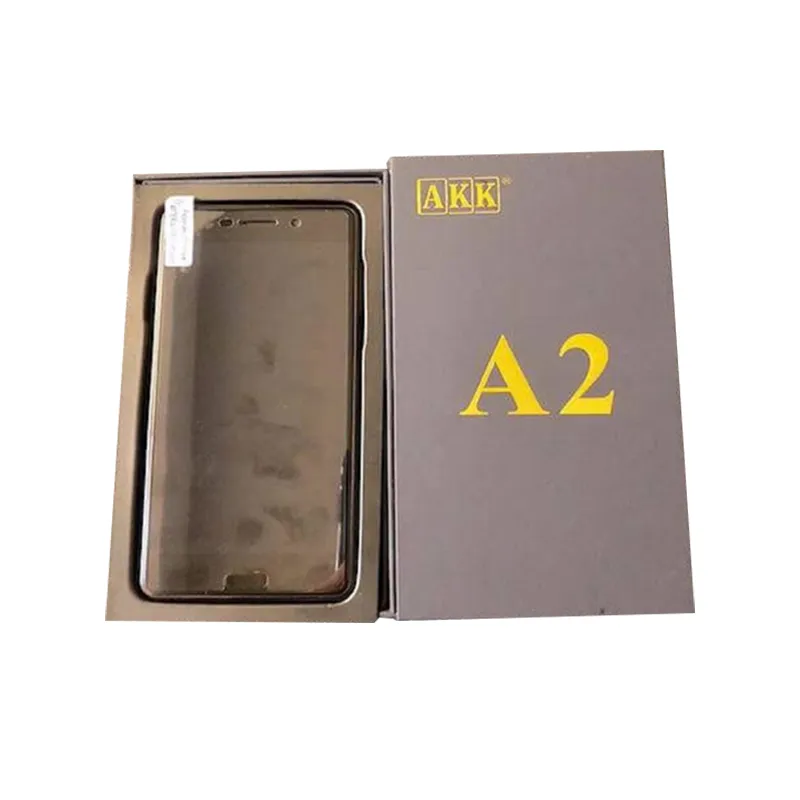
First, check the analyzer’s power status. If the battery indicator shows low charge, recharge the device fully. The AKK A6, CVK 680, and similar models use rechargeable lithium batteries that should provide several hours of continuous operation. A depleted battery is the single most common cause of unresponsive scanners.
Second, inspect the lens for smudges or debris. Even a small fingerprint can block the scanner’s ability to read the barcode. Clean the lens with a microfiber cloth and test again.
Third, check the scan distance. The optimal scan range is 25 to 45 centimeters from the lens to the card. If the card is held too close or too far, the scanner may not read it. Adjust the card position and try again.
If all three checks pass and the scanner still does not respond, a hardware fault may have developed. Contact the manufacturer or supplier for warranty evaluation or replacement.
Bluetooth Disconnection During Play
Intermittent Bluetooth disconnection is disruptive and dangerous for users who rely on wireless earpiece feedback. The issue can stem from interference, signal obstruction, or configuration problems.
Begin by checking for obvious sources of interference. Bluetooth operates in the 2.4 GHz band alongside Wi-Fi networks, microwave ovens, and other wireless devices. Moving the analyzer away from such interference sources often resolves the problem.
Next, examine the physical positioning. If the analyzer is inside a bag or pocket, the signal path may be blocked by the user’s body, metal objects, or thick fabrics. Try adjusting the analyzer’s position for a clearer line of sight to the earpiece.
If interference and obstruction are not the cause, unpair and re-pair the analyzer and earpiece. This refreshes the Bluetooth handshake and resolves most software-level connection issues. The pairing procedure is typically accessed through the analyzer’s settings menu.
As a last resort, check whether a firmware update is available for either the analyzer or the earpiece. Bluetooth driver improvements are among the most common fixes in firmware releases. Follow the manufacturer’s instructions for updating firmware (detailed in the software upgrade section below).
Analysis Results Are Inaccurate
When the analyzer returns incorrect predictions or fails to identify winning hands correctly, the problem is usually related to scanning quality rather than calculation logic.
Inaccurate results most often occur when the scanner fails to read each card reliably. If even one card in a hand is misread, the analyzer will calculate based on incorrect input, leading to a wrong result. Check the following:
– Lens cleanliness: Even a clean-looking lens can have microscopic residue. Clean it thoroughly and retest.
– Card condition: Worn, bent, or marked cards that have faded can be difficult to scan. Try a fresh deck of compatible marked cards.
– Card speed: Moving cards past the scanner too quickly or too slowly can cause misreads. Maintain a steady, moderate scanning speed.
– Lighting conditions: Extremely bright or dim environments can affect scan performance. The analyzer works best under standard indoor lighting.
If the issue persists across multiple decks and in different lighting conditions, the scanner hardware may have degraded. This is rare in properly maintained units but can occur after extended use.
Earpiece Produces No Sound
A silent earpiece during play can be caused by several factors, ranging from simple volume settings to complete hardware failure.
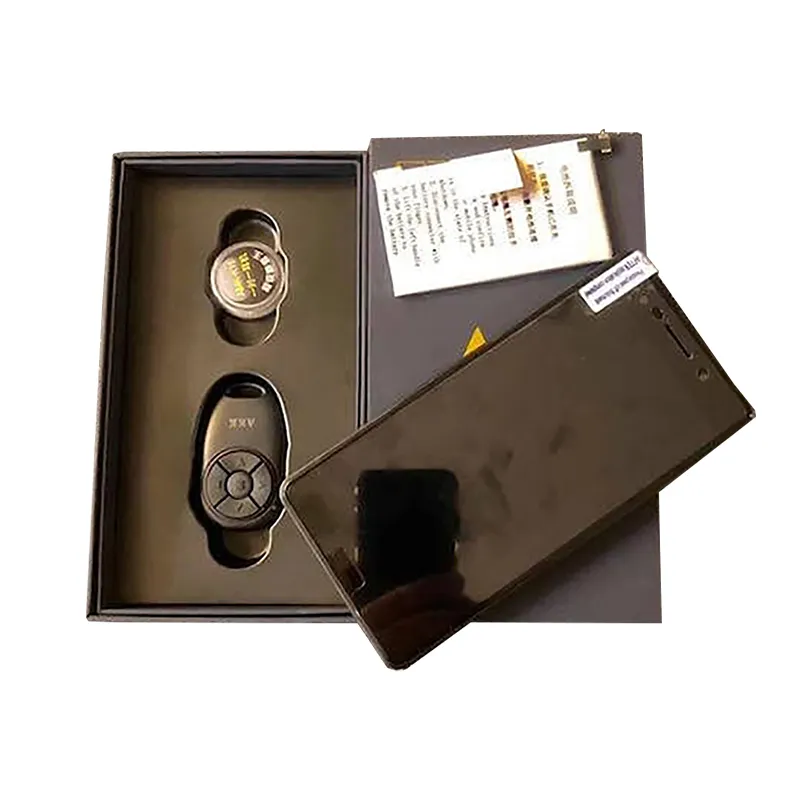
Confirm that the earpiece is charged. Models such as the Bluetooth earpieces sold with CVK systems have small batteries that may deplete faster than the main analyzer battery. Some earpieces provide less than two hours of continuous use if not fully charged.
Verify the volume level. Some earpieces have a built-in volume control that can be accidentally lowered. Adjust the volume to a moderate level and test.
Check the pairing status. If the analyzer and earpiece have become unpaired, the earpiece will not receive any audio. Reconnect them following the pairing procedure in the user manual.
If none of these steps restore sound, the earpiece speaker or Bluetooth module may be defective. Replacement earpieces are available as accessories.
Short Battery Life
Battery life varies by device model. Typical continuous use ranges from three to six hours for most AKK and CVK series analyzers after a full charge. If users report significantly shorter run times, the issue may be battery aging, improper charging habits, or a firmware problem.
Lithium-ion batteries degrade over time and with repeated charge cycles. After 300 to 500 full charge cycles, capacity typically drops to about 80% of the original. If an analyzer is more than a year old and used regularly, decreased battery life is normal and indicates the battery should be replaced.
Improper charging habits can also shorten battery life. Advise users to avoid letting the battery discharge completely before recharging. Partial charges are better for lithium-ion health than deep discharges. Also, remove the analyzer from the charger once it reaches full charge—continuous trickle charging accelerates degradation.
Software and Firmware Upgrades
Manufacturers periodically release firmware updates that improve scan algorithms, fix Bluetooth stability issues, add game support, and enhance overall system performance. Keeping firmware current is one of the simplest ways to maintain device reliability.
To upgrade firmware, users typically connect the analyzer to a computer via USB and run the manufacturer’s update tool. Some newer models support over-the-air updates through a companion mobile app. Files for updates are provided by the manufacturer and should never be downloaded from unofficial sources.
A typical firmware update process includes:
1. Checking the current firmware version in the device settings
2. Downloading the latest firmware file from the official source
3. Connecting the device to a computer via USB cable
4. Running the update utility and following the on-screen instructions
5. Verifying that the update completed successfully
6. Re-testing the system with marked cards to confirm functionality
Major updates are released one to three times per year. Checking for updates every three to six months is good practice.
Component Replacement Cycles
Understanding replacement cycles helps distributors manage inventory and helps end users budget for maintenance costs.
– Scanner lenses typically last the lifetime of the device if properly maintained. Replacement is not normally needed unless physical damage occurs.
– Batteries require replacement every 12 to 18 months under heavy use. Replacement batteries are available for most AKK and CVK series analyzers.
– Bluetooth earpiece batteries may fade faster than the main device battery. Replacement earpieces should be stocked as accessories.
– External camera cables and connectors can wear out after 6 to 12 months of daily use. Keeping spare cables in inventory is recommended.
– Marked cards themselves are consumables. Barcode marked cards typically last through hundreds of sessions, while infrared marked cards may need replacement sooner.
Storage and Transportation Best Practices
Proper storage extends device life significantly. When not in use, the analyzer should be stored in a temperature-controlled environment between 10°C and 35°C. Extreme heat damages batteries, while extreme cold can cause internal condensation.
Always store the analyzer in its protective case. The case shields the device from dust, moisture, and physical impact. Never leave the analyzer in a vehicle, especially in direct sunlight, as temperatures inside a parked car can exceed 60°C and irreparably damage the components.
During transportation, remove the battery if the device allows. If the battery is not removable, ensure the device is powered off and packed securely with cushioning material. The scanner lens should be protected with the lens cap (if included) or a soft cloth barrier.
For international shipments, use anti-static packaging and include moisture-absorbing packets. Customs inspections often involve X-ray scanning, which is generally safe for poker analyzers, but repeated exposure to X-ray equipment could theoretically affect sensitive electronics over time.
Professional Advice for Extending Device Life
Beyond basic maintenance, several advanced practices can significantly extend the operational lifespan of a poker analyzer:
– Keep a dedicated charger in a fixed location to avoid misplacing it. Using third-party chargers with incorrect voltage or amperage can damage the battery.
– Update firmware as soon as a new release is verified for your specific model. Older firmware may have known bugs that strain battery or processing resources.
– Use high-quality marked cards from a trusted source. Cards manufactured with substandard materials or inconsistent barcode placement cause repeated scanning failures and unnecessary stress on the scanner mechanism.
– Limit environmental exposure. Smoke, dust, moisture, and temperature extremes are the primary accelerants of component wear.
– Document replacement and maintenance history. Maintaining a log of when components were last replaced helps predict upcoming maintenance needs.
Frequently Asked Questions
How often should I clean the scanner lens?
Clean the lens before every gaming session. Even if the lens appears clean, microscopic dust and oil film can degrade scan accuracy. Use a microfiber cloth intended for camera lenses. Cleaners containing alcohol or ammonia should be avoided as they can damage the lens coating.
What causes Bluetooth to disconnect during a game?
Common causes include low battery in the analyzer or earpiece, wireless interference from other 2.4 GHz devices, physical obstruction of the signal path, or temporary software glitches. Re-pairing the devices usually resolves software-level issues. Moving away from Wi-Fi routers and microwave ovens eliminates most interference problems.
Can I fix an unresponsive scanner myself?
Most unresponsive scanners are resolved by cleaning the lens, fully charging the battery, and verifying the card is within the optimal 25–45 cm scan range. If none of these steps work, a hardware fault is possible, and the device should be evaluated by the manufacturer or a qualified technician.
Is firmware upgrading risky for the device?
Firmware updates are safe when performed according to the manufacturer’s instructions. The most important precaution is to never disconnect the device during the update process, as an interrupted update can corrupt the software. Always use a stable computer connection and charge the device fully before starting.
How long does a poker analyzer battery typically last?
Most AKK and CVK series analyzers provide three to six hours of continuous operation on a full charge. Battery capacity naturally declines after 300 to 500 charge cycles. Replacing the battery every 12 to 18 months under heavy use restores full runtime.
Should I keep spare earpieces in inventory?
Yes. Hidden earpieces are the most frequently replaced accessory due to their small battery capacity, delicate construction, and daily handling. Keeping spare earpieces in stock ensures your customers can quickly replace a failed unit without system downtime.