월별 글 보관함: 2025 7월






Remote Slot Machine Advantages: Why Operators Are Adding Remote Capabilities
| 제목 | Remote Slot Machine Advantages: Why Operators Are Adding Remote Capabilities | ||
|---|---|---|---|
| 접수기간 | Remote slot machines — physical slot machines in centralized server facilities accessible by players through internet-connected interfaces — represent one of the most significant structural innovations in casino gaming. The model bridges the gap between traditional land-based gaming, with its regulatory credibility and physical game integrity, and the digital accessibility that modern players expect. For … Remote Slot Machine Advantages: Why Operators Are Adding Remote Capabilities 더보기 |
진행사항 | Dragon Link Slotsused slot machines |
Remote slot machines — physical slot machines in centralized server facilities accessible by players through internet-connected interfaces — represent one of the most significant structural innovations in casino gaming. The model bridges the gap between traditional land-based gaming, with its regulatory credibility and physical game integrity, and the digital accessibility that modern players expect. For casino operators, remote slot machine capabilities offer advantages across revenue growth, operational efficiency, and competitive positioning. This guide examines the key advantages driving operator adoption of remote slot machine technology.

Revenue Expansion Advantages
Extended Operating Reach
Traditional casino slot machines generate revenue only from players physically present on the gaming floor. Remote slot machines extend the casino’s reach beyond its physical walls:
**Geographic expansion without facility investment:** A remote slot operation enables the operator to serve players throughout the authorized jurisdiction without building additional casino facilities. A single server center with 100 machines can serve thousands of remote players across a state or country, equivalent to the player reach of multiple regional casinos — without the facility cost.
**24/7 player access:** Remote operations are not constrained by casino operating hours. Players access machines at their convenience — late night, early morning, during work breaks — capturing play sessions that would otherwise be lost. Data from operational remote gaming systems shows 25 to 35 percent of remote play occurs during hours when traditional casinos are closed or minimally staffed.
**Demographic expansion:** Remote slot machines attract player segments that do not visit traditional casinos. Players deterred by casino atmosphere (noise, smoke, crowds), transportation barriers (distance, mobility issues, lack of vehicle access), time constraints (short play windows incompatible with casino travel time), and social preferences (private rather than public gaming) become addressable through remote channels.
Machine Utilization Improvement
Traditional slot machine utilization — the percentage of time a machine is actively played — averages 15 to 30 percent across a casino floor, varying by time of day and machine type. A machine not being played generates no revenue but continues to consume floor space, electricity, and maintenance resources.
Remote slot machines can achieve 40 to 60 percent utilization through 24/7 accessibility and centralized machine allocation that matches players to available machines rather than requiring players to find available machines on a physical floor. Each percentage point of utilization improvement translates directly to revenue growth without additional machine investment.
Revenue Per Machine Optimization
Remote machine allocation systems can intelligently match players to machines based on player preferences, historical play patterns, and machine performance characteristics. A player who prefers Buffalo Gold at $0.01 is matched to an available Buffalo Gold machine. If none is available, the system suggests the closest equivalent — Lightning Link, perhaps — rather than requiring the player to navigate a physical floor.
This intelligent matching increases time-on-device and player satisfaction. Players who find their preferred game available quickly play longer. Players who would have settled for their second choice or left the casino floor stay engaged through intelligent machine suggestions.
Operational Efficiency Advantages
Labor Cost Reduction
Remote slot operations eliminate most floor-facing labor costs. There are no slot attendants circulating the floor, no cocktail servers, no security officers monitoring the gaming floor, and reduced cage and cash handling staff (remote operations are inherently cashless).

A 100-machine remote operation requires approximately 15 to 25 staff across all functions — technicians, customer support, compliance, and management — compared to 60 to 100 staff for a comparable floor-based casino operation. The labor cost differential is the single largest operational advantage of remote slot machines.
Facility Cost Reduction
Server rooms for remote slot machines cost substantially less per machine to build and operate than casino gaming floors. Requirements: industrial building with climate control, power infrastructure, security systems, and network connectivity — no customer-facing amenities, no parking structures, no food and beverage facilities, no entertainment spaces.
Server room construction costs approximately $50 to $100 per square foot for industrial space buildout, compared to $200 to $500+ per square foot for casino gaming floor construction. Annual facility operating costs (utilities, maintenance, insurance, security) for server rooms run $3,000 to $5,000 per machine, compared to $8,000 to $15,000 per machine for casino floor allocation (including allocated property costs).
Maintenance Efficiency
Remote slot machines in controlled server room environments experience less wear than floor-deployed machines. No spilled drinks, no cigarette smoke residue, no player abuse — the environmental factors that drive slot machine maintenance in casino environments are largely eliminated Refurbished Casino Slots Supplier.
Technician efficiency also improves. A technician in a server room can service machines without travel between positions, without navigating a gaming floor during operating hours, and with immediate access to tools, parts, and diagnostic equipment. Response time from issue detection to technician intervention is reduced from minutes to seconds.
Competitive Advantages
Player Experience Modernization
Players increasingly expect digital access to entertainment. The casino industry’s historical reliance on physical presence as the sole access model increasingly appears outdated to digitally native player demographics. Remote slot machines provide a bridge — the credibility and integrity of physical machine gaming delivered through digital access.
Regulatory Credibility over Pure Online Gaming
In jurisdictions debating the relative permissibility of different gaming formats, remote physical slot machines occupy a middle ground that appeals to regulators. The underlying gaming device is a physical machine — certified, tested, and subject to the same regulatory standards as casino-floor machines. This distinguishes remote physical slots from RNG-based online slots and creates regulatory comfort that pure digital gaming may not achieve.
For operators, this regulatory credibility means that remote physical slot licensing may be available in jurisdictions that prohibit online casino gaming, creating market entry opportunities unavailable to purely digital competitors.
New Product Category Differentiation
Remote slot machines are a distinct product category that operators can position against both traditional casino competitors and online gaming operators. “Play real physical slot machines from anywhere” is a value proposition that neither traditional casinos (“come to our building”) nor online casinos (“play our RNG games”) can claim.
This differentiation creates marketing leverage — the ability to attract players interested in the unique combination of physical game integrity and digital convenience — that competitors cannot easily replicate without building remote slot capabilities themselves.
Implementation Paths
Operators can add remote capabilities through several implementation paths, each with different investment levels and timelines:
**Dedicated remote facility:** 20 to 50 machines in a purpose-built server room, streaming to remote players. Capital requirement: $200,000 to $500,000 for a startup installation. Time to market: 3 to 6 months after regulatory approval.
**Existing casino floor hybrid:** Adding streaming capability to selected machines on the existing casino floor, enabling remote play during off-peak hours or to overflow demand. This approach requires minimal additional facility investment but has lower remote capacity and potential player experience limitations (floor noise visible in video feed).
**Third-party platform partnership:** Partnering with a remote gaming platform provider who operates the server facility and technology while the operator provides the gaming license and player marketing. This approach reduces capital requirements and technical burden but involves revenue sharing.
Frequently Asked Questions
How do remote slot machines handle regulatory geolocation requirements?
Remote slot machines require geolocation verification confirming that players are physically within the authorized jurisdiction. Technology solutions include multi-factor geolocation combining IP address analysis, mobile GPS data, Wi-Fi triangulation, and, in some implementations, Bluetooth beacon verification at authorized remote gaming venues. Accuracy requirements vary by jurisdiction, typically within 50 to 500 feet. Geolocation failures during active play must be handled according to jurisdictional requirements, typically pausing play with clear player notification.
Can players trust that remote machines are real physical devices?
Trust is established through multiple mechanisms: live video feed showing the physical machine (including unique serial number visible to players), regulatory certification displayed through the interface, independent testing laboratory seals on machines, and transparent communication about the operational model. Some implementations allow players to visit the server facility to view their played machine. The combination of visible physical evidence and regulatory credibility addresses trust concerns for most players.
What jurisdiction characteristics favor remote slot machine operations?
Favorable characteristics include: regulatory framework that either explicitly permits remote gaming or does not prohibit it, large geographic area with distributed population (making single-location casino access impractical for many residents), high internet connectivity rates, under-served casino markets (demand exceeds supply of traditional casino access), and political or social preferences for limiting new casino construction (making remote-access gaming a politically acceptable alternative to building more casinos).
Poker Analyzer Maintenance and Troubleshooting Guide
| 제목 | Poker Analyzer Maintenance and Troubleshooting Guide | ||
|---|---|---|---|
| 접수기간 | A poker analyzer is a precision electronic instrument that combines optical scanning, real-time image processing, and wireless communication. Like any sophisticated piece of equipment, its reliability depends directly on proper maintenance and care. For wholesalers and distributors, the ability to guide end customers through maintenance and common troubleshooting issues can dramatically reduce return rates, increase … Poker Analyzer Maintenance and Troubleshooting Guide 더보기 |
진행사항 | Poker AnalyzerPoker Cheating Device |
A poker analyzer is a precision electronic instrument that combines optical scanning, real-time image processing, and wireless communication. Like any sophisticated piece of equipment, its reliability depends directly on proper maintenance and care. For wholesalers and distributors, the ability to guide end customers through maintenance and common troubleshooting issues can dramatically reduce return rates, increase customer satisfaction, and build long-term trust. This guide covers everything from daily cleaning routines to advanced troubleshooting, helping both you and your clients keep analyzer systems operating at peak performance.
Daily Maintenance Essentials
Cleaning the Scanner Lens
The scanner lens is the most critical component of any poker analyzer system. It captures card images for barcode or infrared analysis, and even microscopic dust, oil, or smudges can cause misreads or complete scan failures. Daily cleaning is essential, especially when the analyzer is used frequently.
Use a microfiber lens cloth—the same type used for camera lenses—to gently wipe the scanner lens before each session. Never use paper towels, tissues, or rough fabrics, as these can scratch the lens coating. For stubborn residue, use lens cleaning solution applied to the cloth, not directly to the lens. Avoid alcohol-based cleaners, which can damage lens coatings over time.
The cleaning interval depends on usage frequency. For daily use, clean the lens before every session. For weekly use, a quick check before each game is sufficient. Store a microfiber cloth in the analyzer’s carrying case so it is always available.
Checking the Bluetooth Connection
Bluetooth pairing issues are among the most common problems users encounter. Before each session, verify that the analyzer and hidden earpiece are properly paired and within range. The typical effective range is about 10 meters in open air, but walls, pockets, and clothing can reduce this significantly.
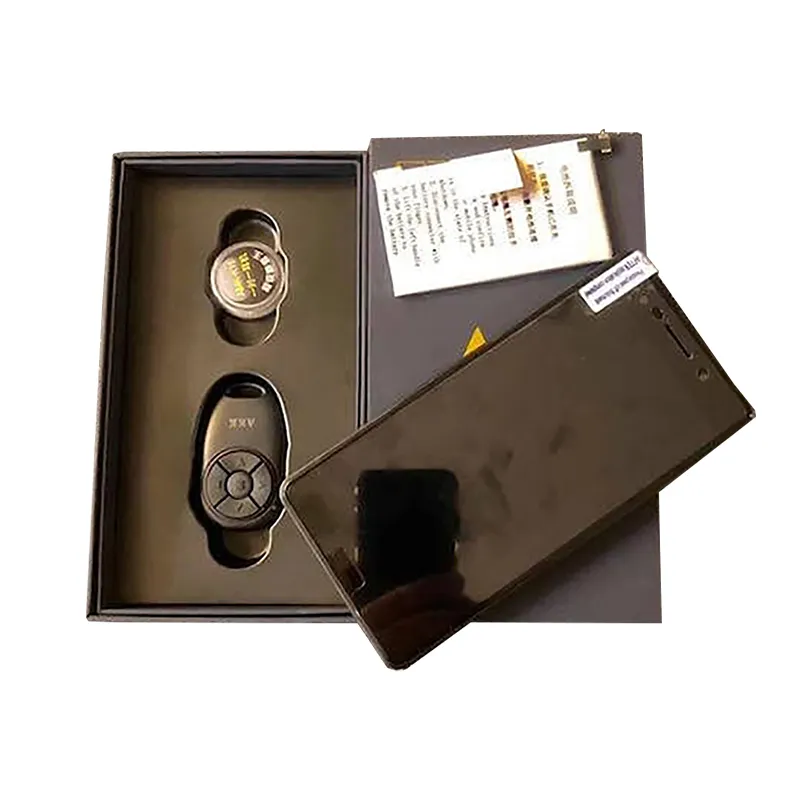
If the system uses a rechargeable earpiece model such as those compatible with the CVK series or AKK series devices, ensure the earpiece is fully charged before use. Many connectivity issues that appear to be pairing problems are actually caused by low battery power in the earpiece.
Calibrating Sensors
Some analyzer models, particularly those with external camera scanners, require periodic sensor calibration. Calibration ensures that the scanner identifies card edges, recognizes barcode positions, and correctly processes scan distances.
Most modern analyzers perform auto-calibration on startup, but if scan accuracy declines over time, manual calibration may be needed. Refer to the device’s built-in calibration tool, typically accessible through the analyzer’s configuration menu. Calibration involves scanning a reference card or pattern provided by the manufacturer.
Common Faults and Troubleshooting Procedures
Scanner Does Not Respond
When the scanner shows no reaction when cards are presented, the issue is usually one of three causes: power, lens obstruction, or hardware failure.
First, check the analyzer’s power status. If the battery indicator shows low charge, recharge the device fully. The AKK A6, CVK 680, and similar models use rechargeable lithium batteries that should provide several hours of continuous operation. A depleted battery is the single most common cause of unresponsive scanners.
Second, inspect the lens for smudges or debris. Even a small fingerprint can block the scanner’s ability to read the barcode. Clean the lens with a microfiber cloth and test again.
Third, check the scan distance. The optimal scan range is 25 to 45 centimeters from the lens to the card. If the card is held too close or too far, the scanner may not read it. Adjust the card position and try again.

If all three checks pass and the scanner still does not respond, a hardware fault may have developed. Contact the manufacturer or supplier for warranty evaluation or replacement.
Bluetooth Disconnection During Play
Intermittent Bluetooth disconnection is disruptive and dangerous for users who rely on wireless earpiece feedback. The issue can stem from interference, signal obstruction, or configuration problems.
Begin by checking for obvious sources of interference. Bluetooth operates in the 2.4 GHz band alongside Wi-Fi networks, microwave ovens, and other wireless devices. Moving the analyzer away from such interference sources often resolves the problem.
Next, examine the physical positioning. If the analyzer is inside a bag or pocket, the signal path may be blocked by the user’s body, metal objects, or thick fabrics. Try adjusting the analyzer’s position for a clearer line of sight to the earpiece.
If interference and obstruction are not the cause, unpair and re-pair the analyzer and earpiece. This refreshes the Bluetooth handshake and resolves most software-level connection issues. The pairing procedure is typically accessed through the analyzer’s settings menu.
As a last resort, check whether a firmware update is available for either the analyzer or the earpiece. Bluetooth driver improvements are among the most common fixes in firmware releases. Follow the manufacturer’s instructions for updating firmware (detailed in the software upgrade section below).
Analysis Results Are Inaccurate
When the analyzer returns incorrect predictions or fails to identify winning hands correctly, the problem is usually related to scanning quality rather than calculation logic.
Inaccurate results most often occur when the scanner fails to read each card reliably. If even one card in a hand is misread, the analyzer will calculate based on incorrect input, leading to a wrong result. Check the following:
– Lens cleanliness: Even a clean-looking lens can have microscopic residue. Clean it thoroughly and retest.
– Card condition: Worn, bent, or marked cards that have faded can be difficult to scan. Try a fresh deck of compatible marked cards.
– Card speed: Moving cards past the scanner too quickly or too slowly can cause misreads. Maintain a steady, moderate scanning speed.
– Lighting conditions: Extremely bright or dim environments can affect scan performance. The analyzer works best under standard indoor lighting.
If the issue persists across multiple decks and in different lighting conditions, the scanner hardware may have degraded. This is rare in properly maintained units but can occur after extended use.
Earpiece Produces No Sound
A silent earpiece during play can be caused by several factors, ranging from simple volume settings to complete hardware failure.
Confirm that the earpiece is charged. Models such as the Bluetooth earpieces sold with CVK systems have small batteries that may deplete faster than the main analyzer battery. Some earpieces provide less than two hours of continuous use if not fully charged.
Verify the volume level. Some earpieces have a built-in volume control that can be accidentally lowered. Adjust the volume to a moderate level and test.
Check the pairing status. If the analyzer and earpiece have become unpaired, the earpiece will not receive any audio. Reconnect them following the pairing procedure in the user manual.
If none of these steps restore sound, the earpiece speaker or Bluetooth module may be defective. Replacement earpieces are available as accessories.
Short Battery Life
Battery life varies by device model. Typical continuous use ranges from three to six hours for most AKK and CVK series analyzers after a full charge. If users report significantly shorter run times, the issue may be battery aging, improper charging habits, or a firmware problem.
Lithium-ion batteries degrade over time and with repeated charge cycles. After 300 to 500 full charge cycles, capacity typically drops to about 80% of the original. If an analyzer is more than a year old and used regularly, decreased battery life is normal and indicates the battery should be replaced.
Improper charging habits can also shorten battery life. Advise users to avoid letting the battery discharge completely before recharging. Partial charges are better for lithium-ion health than deep discharges. Also, remove the analyzer from the charger once it reaches full charge—continuous trickle charging accelerates degradation.
Software and Firmware Upgrades
Manufacturers periodically release firmware updates that improve scan algorithms, fix Bluetooth stability issues, add game support, and enhance overall system performance. Keeping firmware current is one of the simplest ways to maintain device reliability.
To upgrade firmware, users typically connect the analyzer to a computer via USB and run the manufacturer’s update tool. Some newer models support over-the-air updates through a companion mobile app. Files for updates are provided by the manufacturer and should never be downloaded from unofficial sources.
A typical firmware update process includes:
1. Checking the current firmware version in the device settings
2. Downloading the latest firmware file from the official source
3. Connecting the device to a computer via USB cable
4. Running the update utility and following the on-screen instructions
5. Verifying that the update completed successfully
6. Re-testing the system with marked cards to confirm functionality
Major updates are released one to three times per year. Checking for updates every three to six months is good practice.
Component Replacement Cycles
Understanding replacement cycles helps distributors manage inventory and helps end users budget for maintenance costs.
– Scanner lenses typically last the lifetime of the device if properly maintained. Replacement is not normally needed unless physical damage occurs.
– Batteries require replacement every 12 to 18 months under heavy use. Replacement batteries are available for most AKK and CVK series analyzers.
– Bluetooth earpiece batteries may fade faster than the main device battery. Replacement earpieces should be stocked as accessories.
– External camera cables and connectors can wear out after 6 to 12 months of daily use. Keeping spare cables in inventory is recommended.
– Marked cards themselves are consumables. Barcode marked cards typically last through hundreds of sessions, while infrared marked cards may need replacement sooner.
Storage and Transportation Best Practices
Proper storage extends device life significantly. When not in use, the analyzer should be stored in a temperature-controlled environment between 10°C and 35°C. Extreme heat damages batteries, while extreme cold can cause internal condensation.
Always store the analyzer in its protective case. The case shields the device from dust, moisture, and physical impact. Never leave the analyzer in a vehicle, especially in direct sunlight, as temperatures inside a parked car can exceed 60°C and irreparably damage the components.
During transportation, remove the battery if the device allows. If the battery is not removable, ensure the device is powered off and packed securely with cushioning material. The scanner lens should be protected with the lens cap (if included) or a soft cloth barrier.
For international shipments, use anti-static packaging and include moisture-absorbing packets. Customs inspections often involve X-ray scanning, which is generally safe for poker analyzers, but repeated exposure to X-ray equipment could theoretically affect sensitive electronics over time.
Professional Advice for Extending Device Life
Beyond basic maintenance, several advanced practices can significantly extend the operational lifespan of a poker analyzer:
– Keep a dedicated charger in a fixed location to avoid misplacing it. Using third-party chargers with incorrect voltage or amperage can damage the battery.
– Update firmware as soon as a new release is verified for your specific model. Older firmware may have known bugs that strain battery or processing resources.
– Use high-quality marked cards from a trusted source. Cards manufactured with substandard materials or inconsistent barcode placement cause repeated scanning failures and unnecessary stress on the scanner mechanism.
– Limit environmental exposure. Smoke, dust, moisture, and temperature extremes are the primary accelerants of component wear.
– Document replacement and maintenance history. Maintaining a log of when components were last replaced helps predict upcoming maintenance needs.
Frequently Asked Questions
How often should I clean the scanner lens?
Clean the lens before every gaming session. Even if the lens appears clean, microscopic dust and oil film can degrade scan accuracy. Use a microfiber cloth intended for camera lenses. Cleaners containing alcohol or ammonia should be avoided as they can damage the lens coating.
What causes Bluetooth to disconnect during a game?
Common causes include low battery in the analyzer or earpiece, wireless interference from other 2.4 GHz devices, physical obstruction of the signal path, or temporary software glitches. Re-pairing the devices usually resolves software-level issues. Moving away from Wi-Fi routers and microwave ovens eliminates most interference problems.
Can I fix an unresponsive scanner myself?
Most unresponsive scanners are resolved by cleaning the lens, fully charging the battery, and verifying the card is within the optimal 25–45 cm scan range. If none of these steps work, a hardware fault is possible, and the device should be evaluated by the manufacturer or a qualified technician.
Is firmware upgrading risky for the device?
Firmware updates are safe when performed according to the manufacturer’s instructions. The most important precaution is to never disconnect the device during the update process, as an interrupted update can corrupt the software. Always use a stable computer connection and charge the device fully before starting.
How long does a poker analyzer battery typically last?
Most AKK and CVK series analyzers provide three to six hours of continuous operation on a full charge. Battery capacity naturally declines after 300 to 500 charge cycles. Replacing the battery every 12 to 18 months under heavy use restores full runtime.
Should I keep spare earpieces in inventory?
Yes. Hidden earpieces are the most frequently replaced accessory due to their small battery capacity, delicate construction, and daily handling. Keeping spare earpieces in stock ensures your customers can quickly replace a failed unit without system downtime.
Wireless Poker Analyzer Technology: Bluetooth, Range, and Battery Life
| 제목 | Wireless Poker Analyzer Technology: Bluetooth, Range, and Battery Life | ||
|---|---|---|---|
| 접수기간 | The wireless communication layer is the unseen backbone of every poker analyzer system. It connects the scanner to the processor, the processor to the earpiece, and in advanced setups, external cameras and remote displays to the central analysis hub. Understanding the wireless technologies at work — their capabilities, limitations, and failure modes — helps analyzer … Wireless Poker Analyzer Technology: Bluetooth, Range, and Battery Life 더보기 |
진행사항 | Poker AnalyzerPoker Cheat Device |
The wireless communication layer is the unseen backbone of every poker analyzer system. It connects the scanner to the processor, the processor to the earpiece, and in advanced setups, external cameras and remote displays to the central analysis hub. Understanding the wireless technologies at work — their capabilities, limitations, and failure modes — helps analyzer users optimize their setup for reliability and prepare for the connectivity challenges that arise in real-world playing environments.
The Wireless Chain
A complete poker analyzer system typically involves at least two wireless links. The first connects the barcode scanner or camera to the processor phone, transmitting captured card image data. The second connects the processor to the hidden earpiece, delivering audio announcements. In systems with external accessories, additional wireless links may connect remote cameras, observer tablets, or team communication devices.
Each link in this chain represents a potential failure point. A dropped scanner connection means no card data reaches the analyzer. A dropped earpiece connection means results are calculated but never heard. Understanding how each link works and how to maintain its reliability is essential for trouble-free operation.
Bluetooth: The Universal Standard
Bluetooth wireless technology powers virtually all poker analyzer connections. Its ubiquity, low power consumption, and adequate range make it the natural choice for close-proximity device communication.
Modern analyzer systems use Bluetooth 5.0 or later, which offers several improvements over older Bluetooth versions for poker applications. The data transfer rate is sufficient for the small amount of information the analyzer needs to transmit — barcode data is measured in bytes, and audio announcements in seconds. The real constraint is not bandwidth but connection stability and latency.

Bluetooth operates in the 2.4 GHz frequency band, which it shares with Wi-Fi networks, microwave ovens, and numerous other wireless devices. This shared spectrum is the primary source of Bluetooth interference problems in crowded environments.
**Bluetooth range** for analyzer applications typically reaches 10 to 15 meters in open air. Walls, furniture, and especially the human body attenuate Bluetooth signals. The connection between a phone in a pocket or bag and an earpiece in the player’s ear represents only a few centimeters of distance but passes through clothing and body tissue, which can reduce effective range.
**Bluetooth latency** — the delay between data transmission and reception — is critical for analyzer timing. Audio latency below 100 milliseconds feels instantaneous. Above 200 milliseconds, the player notices a perceptible delay between a card being dealt and the announcement reaching the ear. Modern Bluetooth 5.0 implementations achieve latencies well under 50 milliseconds, making the delay imperceptible.
Earpiece Wireless: Bluetooth vs Magnetic Induction
The wireless connection to the hidden earpiece can use either Bluetooth or magnetic induction technology. Each has distinct characteristics that affect real-world reliability.
**Bluetooth earpieces** offer the convenience of a completely wire-free connection between the phone and the ear. The player can position the phone anywhere within range and receive audio without any physical tether. The trade-off is that Bluetooth earpieces contain a battery that must be charged and eventually replaced.

Bluetooth earpiece battery life typically ranges from 4 to 6 hours of continuous audio. Standby time is significantly longer. Most Bluetooth earpieces recharge in under an hour and ship with a compact charging case that provides multiple full charges before needing its own recharge.
**Magnetic induction earpieces** eliminate the battery from the earpiece itself. A neck loop worn under clothing generates a magnetic field that powers the earpiece and transmits audio through induction. The earpiece contains a tiny coil, a speaker, and nothing else — no battery, no radio, no charging port.
The induction approach offers theoretically limitless operation time since the neck loop battery can be much larger than anything that would fit in an earpiece. The audio quality is often superior with less compression than Bluetooth. The trade-off is the neck loop itself, which introduces a wired connection between the phone and the player’s body that must be concealed under clothing.
RF and Vibration Receivers
For players who need alternatives to audio earpieces, radio frequency and vibration receivers provide different output modalities with their own wireless characteristics.
**RF receivers** operate on dedicated radio frequencies separate from the crowded 2.4 GHz Bluetooth band. This frequency isolation eliminates Bluetooth interference problems entirely. RF receivers typically offer longer range than Bluetooth — up to 30 meters or more — making them suitable for scenarios where the analyzer phone is located in a different room.
The trade-off is that RF receivers are larger than Bluetooth earpieces and require their own frequency-specific transmitter connected to the analyzer phone. They are less commonly used than Bluetooth but fill an important niche for environments with severe Bluetooth congestion.
**Vibration receivers** use Bluetooth or RF to receive signals and translate them into vibration patterns rather than audio. Different vibration sequences communicate different information — a single pulse for “you have the winning hand,” a double pulse for “fold,” and so on. While vibration cannot convey the detailed information that audio provides, it is completely silent and useful in extremely quiet environments where even the faintest earpiece audio might be detected.
Battery Life Optimization
Phone-based poker analyzers face a fundamental power challenge. The phone must run the camera continuously or near-continuously for barcode scanning, process images in real time, maintain Bluetooth connections, and possibly transmit data to remote observers — all while appearing to be an idle device.
Battery performance varies dramatically by phone model. Phones with larger batteries — the POCO X3 Pro in the AKK A4 with its 5160mAh battery, or the Samsung S24 in the AKK A6 — deliver 6 to 8 hours of continuous analyzer operation. Smaller or older phone batteries may last only 3 to 4 hours Custom Playing Cards.
**Battery optimization strategies** extend operation time without compromising analysis quality:
Screen brightness should be set to minimum during operation. The screen is the single largest power consumer in any smartphone, and analyzer software is designed to function with minimal screen interaction during gameplay.
Background applications should be closed before starting a game session. Social media apps, email clients, and system updates all consume power and can generate disruptive notifications. Airplane mode with Bluetooth enabled is the ideal operating state — cellular radios are disabled, conserving power and eliminating call interruptions, while Bluetooth remains active for scanner and earpiece connections.
Software power profiles, where available, can further optimize battery performance. Some analyzer apps include a “game mode” that reduces processor clock speed slightly while maintaining adequate analysis speed, extending battery life by 15 to 20 percent.
**Power banks** are the universal backup solution. A compact 5000mAh or 10000mAh power bank connected to the phone provides enough additional power for a complete second session. The power bank itself can be concealed alongside the phone, and the charging cable can be routed through clothing with minimal visibility.
Signal Interference and Avoidance
Wireless interference is the most common preventable cause of analyzer connectivity problems. Understanding interference sources and avoidance strategies prevents dropped connections at critical moments.
**Wi-Fi networks** operating on nearby 2.4 GHz channels are the primary Bluetooth interference source. Casino floors and poker rooms are typically saturated with Wi-Fi access points. While Bluetooth uses frequency-hopping to avoid continuous interference, severe Wi-Fi congestion can still cause intermittent connection drops.
The practical solution is to keep the analyzer phone and earpiece as close together as possible. Bluetooth signal strength decreases with the square of distance, but interference strength remains constant. A phone positioned within half a meter of the player’s earpiece receives a much stronger Bluetooth signal relative to interference than one positioned several meters away.
**Other Bluetooth devices** in the vicinity — other players’ phones, wireless headphones, smartwatches — all contribute to 2.4 GHz congestion. Before starting a session, survey the environment for obvious Bluetooth sources and position your equipment away from them where possible.
**Physical barriers** between the phone and earpiece should be minimized. The human body is an excellent radio absorber in the 2.4 GHz band. Placing the phone in a pocket on the same side of the body as the earpiece ensures the Bluetooth signal passes through minimal tissue.
Wired Backup Options
For environments where wireless connectivity cannot be relied upon, wired connections provide guaranteed reliability at the cost of convenience.
Wired earpieces connect directly to the phone’s audio jack or USB port. There is no battery to charge, no pairing to establish, no interference to avoid. The audio signal reaches the earpiece with zero latency and perfect reliability. The trade-off is the physical wire that must be concealed.
Wired scanner connections serve the same reliability function on the input side. An external scanner connected by wire rather than Bluetooth eliminates scanning interruptions entirely. The wire can be routed through clothing, with the scanner positioned for optimal card observation while the phone remains elsewhere.
Professional players often maintain both wireless and wired configurations, using wireless for normal operation and keeping wired backups for environments or situations where wireless proves unreliable.
Frequently Asked Questions
**Why does my earpiece audio cut out intermittently?**
Intermittent audio typically indicates Bluetooth interference or the phone at the edge of range. Move the phone closer to your body, ensure it is on the same side as the earpiece, and eliminate other active Bluetooth devices in the immediate area.
**Can I use the analyzer while the phone charges from a power bank?**
Yes. Running the analyzer while connected to a power bank is standard practice for extended sessions. The charging cable can be concealed alongside the phone.
**How do I know when the earpiece battery is low?**
Most Bluetooth earpieces provide an audio low-battery warning and show a red indicator LED in the charging case. The analyzer phone may also display the earpiece battery level in the Bluetooth settings or within the analyzer app.
**Does Bluetooth range decrease as the earpiece battery drains?**
Range remains relatively constant until the battery reaches critically low levels, at which point the earpiece may reduce transmission power to conserve energy. Charging well before this point prevents range degradation.
**Can multiple analyzer users interfere with each other’s Bluetooth?**
Yes. Multiple Bluetooth earpieces operating in close proximity can interfere. If you and another player both use analyzers, test your connections in each other’s presence before the game begins and adjust positioning if interference occurs.