년도별 글 보관함: 2024






Choosing the Right Poker Analyzer: Factors to Consider
| 제목 | Choosing the Right Poker Analyzer: Factors to Consider | ||
|---|---|---|---|
| 접수기간 | Selecting a poker analyzer for commercial or professional use is a decision that carries significant operational and financial implications. Unlike consumer electronics purchases, B2B procurement of poker analyzer systems requires careful evaluation of technical specifications, operational compatibility, supplier reliability, and long-term support considerations. This comprehensive guide outlines the critical factors that should inform every purchasing … Choosing the Right Poker Analyzer: Factors to Consider 더보기 |
진행사항 | Poker AnalyzerPoker Cheating Device |
Selecting a poker analyzer for commercial or professional use is a decision that carries significant operational and financial implications. Unlike consumer electronics purchases, B2B procurement of poker analyzer systems requires careful evaluation of technical specifications, operational compatibility, supplier reliability, and long-term support considerations. This comprehensive guide outlines the critical factors that should inform every purchasing decision in this specialized market.
Understanding Your Operational Requirements
Before evaluating specific products, clearly define your operational parameters. The ideal analyzer for one deployment scenario may be entirely unsuitable for another. Consider the following operational dimensions:
Game Type and Variety
Different poker variants impose different computational demands on analyzer systems. Texas Hold’em remains the most widely supported game type, but if your operations involve Omaha, Blackjack, Baccarat, or other variants, you must verify that the analyzer supports all required game types simultaneously. Switching between game types should be seamless and should not require hardware reconfiguration.
Table Configuration
The physical setup of your gaming environment dictates scanner requirements:
– Table size: Larger tables may require scanners with extended range or multiple scanning points
– Dealing position: The scanner must be positioned to capture card data as cards are dealt
– Number of players: Some analyzers support up to 10 players, while others are limited to fewer seats
– Deck configuration: Verify compatibility with single-deck and multi-deck games
Operational Frequency
How frequently the equipment will be used affects durability requirements and battery life considerations. High-frequency operations demand equipment with robust build quality, extended battery life, and rapid charging capabilities. Intermittent use may allow for more compact form factors with shorter battery life.
Technical Specifications That Matter
Scanning Technology
The scanning mechanism is the foundation of analyzer performance. Two primary technologies are available:
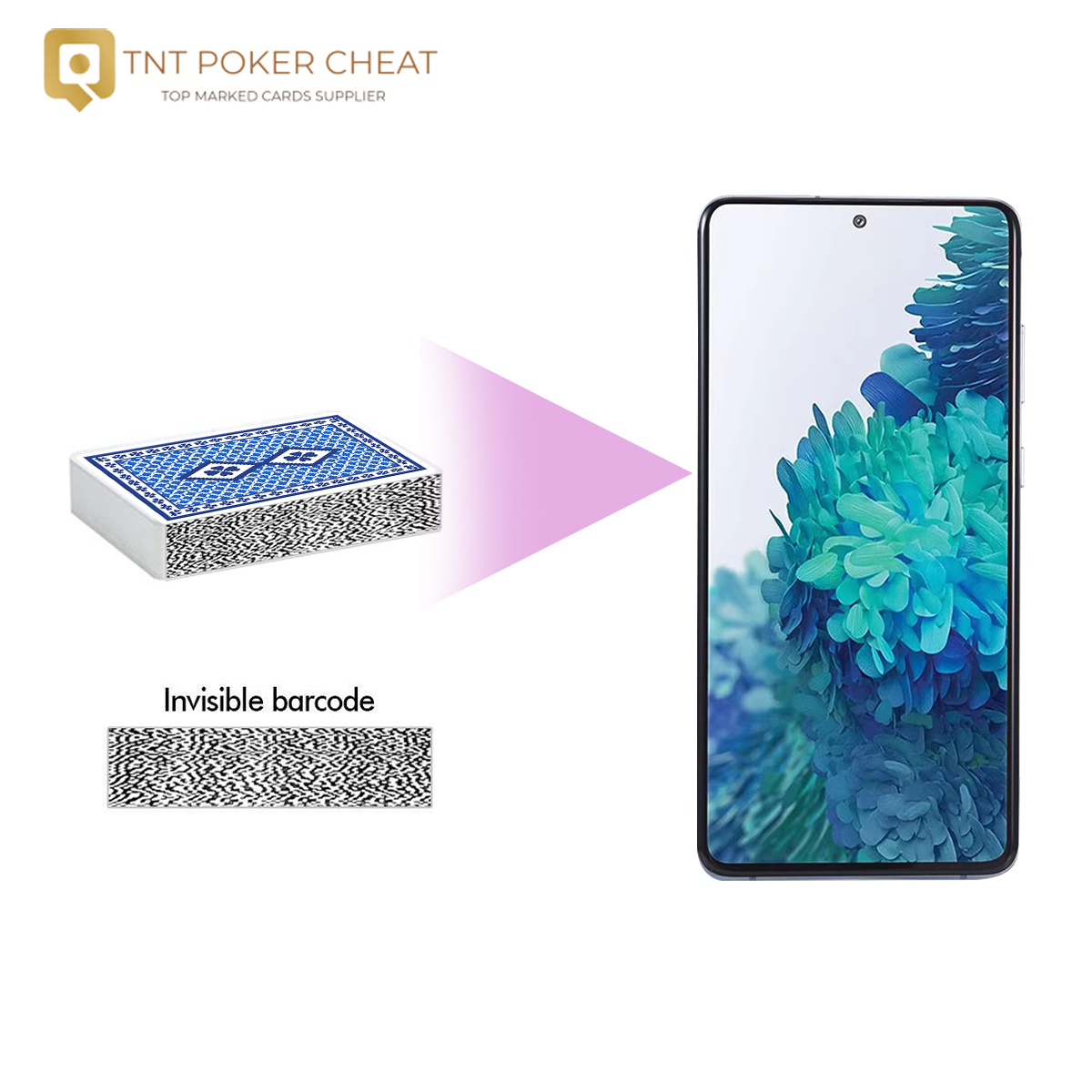
Barcode Optical Scanning: This technology reads invisible barcode markings applied to card edges. Optical scanners offer broad compatibility with various card types and are generally more affordable. However, they require a clear line of sight to the card edges and can be affected by lighting conditions and card wear.
RFID Technology: RFID-embedded cards contain microchips that transmit card identity data to the scanner. RFID systems offer superior reliability, immunity to environmental factors, and faster scan times. They are the preferred choice for high-stakes operations where accuracy is paramount. The trade-off is the requirement for specialized RFID-embedded cards, which adds to the total system cost.
Processing Speed
As discussed in detail in our companion article, processing speed directly impacts operational security. The analyzer must scan, process, and transmit results within 0.5 seconds to maintain natural gameplay rhythms. When evaluating processing speed specifications, consider:
– Whether the stated speed represents best-case or average performance
– How processing speed is affected by multi-game mode operation
– Whether the specification includes transmission latency or only computational time
Accuracy Rate
Accuracy is the single most important specification. An error rate of even 1% translates to one incorrect result per hundred hands — an unacceptable risk in professional operations. Look for analyzers that document accuracy rates of 99.5% or higher under standard operating conditions, with graceful degradation under adverse conditions rather than catastrophic failure.
Form Factor and Disguise Options
The analyzer must be housed in a form factor that does not attract attention. Common form factors include:
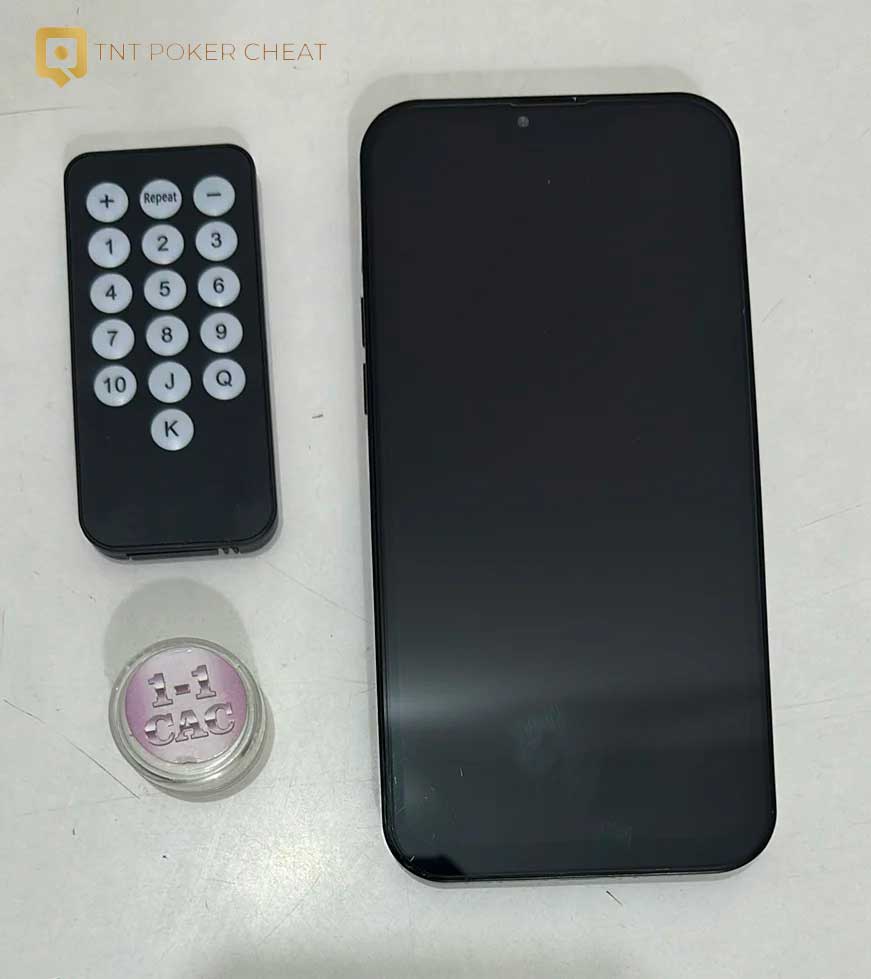
– Mobile phones: The most popular disguise, as smartphones are ubiquitous at poker tables
– Power banks: Plausible table accessories that house both analyzer and battery
– Watches: Wearable options that provide hands-free operation
– Custom housings: Purpose-built enclosures designed for specific deployment scenarios
The form factor should match the operational environment. A mobile phone form factor is ideal for casual games and private clubs, while custom housings may be necessary for more structured environments.
Battery Life and Power Management
Professional sessions can extend for several hours. Battery life specifications should account for:
– Continuous operation time: Minimum acceptable runtime is 4-6 hours
– Standby time: The device should maintain charge during idle periods
– Charging speed: Rapid charging minimizes downtime between sessions
– Battery replacement: Some models allow battery swapping, others require return to the manufacturer
– Power consumption indicators: Clear battery level indicators prevent unexpected shutdown
Result Transmission Methods
The analyzer must communicate results to the user discreetly. Available transmission methods include:
Bluetooth Earpieces: Wireless earpieces are the most common solution. They offer freedom of movement and are virtually undetectable when properly fitted. Evaluate earpiece battery life independently from the analyzer, as earpiece batteries typically have shorter lifespans.
Wired Earpieces: Wired connections eliminate wireless transmission latency and reduce the risk of signal interception. However, visible wires can be a detection risk.
Vibration Devices: Worn on the body, vibration devices communicate results through tactile patterns. They are completely silent but require the user to learn and interpret vibration codes.
Display Integration: Some systems integrate result display into the analyzer’s screen itself, using coded indicators that are meaningless to observers.
Software and Firmware Considerations
Game Rule Library
The analyzer’s software must include comprehensive game rule libraries covering all variants you intend to play. Verify:
– Support for all required game types
– Correct handling of complex scenarios (splits, side pots, burn cards)
– Regular updates for rule modifications and new game variants
– Custom rule configuration capabilities for non-standard games
User Interface
The software interface should be intuitive and operable without visible interaction. Key considerations include:
– One-handed operation: The user should be able to control the analyzer without visible button pressing
– Voice activation: Advanced models support voice commands for hands-free operation
– Automatic mode: The analyzer should detect dealing patterns and auto-trigger scanning without manual input
– Error handling: Clear but discreet error indicators when scan quality is compromised
Firmware Update Path
Technology evolves rapidly, and the analyzer’s firmware must be updateable to address:
– Performance optimizations and bug fixes
– New game rule support
– Security vulnerability patches
– Compatibility with new card marking systems
Verify that the supplier provides firmware updates and clarify whether updates are user-installable or require return to the manufacturer.
Supplier Evaluation Criteria
Manufacturing Quality
The physical construction of the analyzer directly impacts longevity and reliability. Evaluate:
– Material quality: Housings should use durable materials that withstand regular handling
– Assembly quality: No loose components, rattling, or visible seams
– Component sourcing: Reputable suppliers use quality internal components, not surplus or reclaimed parts
– Quality control documentation: Request evidence of QC processes and testing protocols
Technical Support
B2B purchasers require access to ongoing technical support. Evaluate support offerings on:
– Response time: How quickly does the supplier respond to technical inquiries
– Support channels: Email, phone, instant messaging, or dedicated support portal
– Language support: Ensure support is available in your operational language
– Time zone coverage: Support should be available during your operational hours
– Remote diagnostics: Can the supplier diagnose issues remotely, or must equipment be shipped
Warranty Terms
Comprehensive warranty protection is essential for B2B purchases:
– Coverage period: Minimum one year; two years preferred for high-value systems
– Coverage scope: What components and failure types are covered
– Exclusions: Understand what voids the warranty (unauthorized modifications, water damage, etc.)
– Resolution process: Repair, replacement, or refund policies
– Shipping responsibility: Who pays for shipping in warranty cases
Supply Consistency
For organizations procuring multiple units or planning ongoing procurement:
– Production capacity: Can the supplier meet volume requirements
– Delivery timelines: Consistent lead times for planning purposes
– Product continuity: Will the model remain available, or is it being discontinued
– Backward compatibility: Will future models be compatible with existing accessories and cards
Total Cost of Ownership
Beyond the initial purchase price, calculate the total cost of ownership over the equipment’s expected lifespan:
Initial Investment
– Analyzer unit
– Scanning components (cameras, RFID readers)
– Result transmission devices (earpieces, vibration units)
– Marked cards or RFID-embedded cards
– Protective cases and accessories
Ongoing Costs
– Replacement cards as they wear out
– Battery replacements
– Firmware update fees (if applicable)
– Technical support subscriptions
– Repair costs outside warranty
Training Costs
– Initial user training
– Refresher training for new personnel
– Training materials and documentation
Risk Assessment
Detection Risk
Evaluate how each analyzer model mitigates detection risk:
– Physical appearance and disguise effectiveness
– Operational noise levels (button clicks, vibration sounds)
– Transmission signal security (encrypted vs. unencrypted)
– Behavioral impact on user (does the user need to act unnaturally)
Failure Risk
– What happens when the analyzer malfunctions mid-session
– Does the device fail gracefully (no result) or catastrophically (incorrect result)
– Backup system availability
– Mean time between failures (MTBF) data
FAQ
What is the most important factor when choosing a poker analyzer?
Accuracy is the most critical factor. An analyzer that delivers incorrect results, regardless of how fast or feature-rich it is, is a liability rather than an asset. Prioritize accuracy rates above 99.5% before considering other specifications Pokercheat8 Poker Cheat.
Should I choose optical scanning or RFID technology?
The choice depends on your operational environment. RFID offers superior reliability and environmental immunity but requires specialized cards and represents a higher initial investment. Optical scanning is more versatile and affordable but is susceptible to lighting conditions and card wear. For high-stakes operations, RFID is the recommended choice.
How many game types should a professional analyzer support?
A professional-grade analyzer should support at minimum Texas Hold’em, Omaha, and Blackjack. If your operations include other variants, verify support before purchase. The ability to switch between game types without reconfiguration is essential for multi-game sessions.
What battery life is sufficient for professional use?
Plan for a minimum of 4-6 hours of continuous operation. However, consider that battery capacity degrades over time. A new analyzer with 6 hours of battery life may only provide 4 hours after a year of regular use. Purchasing a model with 8-10 hours of initial battery life provides a comfortable margin.
Can I use one analyzer with different types of marked cards?
Compatibility varies by model. Some analyzers are locked to specific card marking systems, while others support multiple marking formats. If flexibility is important to your operations, verify multi-format support before purchasing. Leading brands typically offer broader compatibility.
How important is the disguise form factor?
The form factor is critically important for operational security. The best specifications are meaningless if the device attracts attention. The form factor should be natural in your operational environment. Mobile phone form factors are the most versatile, as smartphones are expected at poker tables.
What should I do if the analyzer produces an error during a session?
Professional analyzers should have a graceful error mode that simply indicates “no result” rather than providing an incorrect answer. If an error occurs, the user should continue natural play without reacting to the error. Post-session, diagnose the issue using the analyzer’s error log if available, or contact technical support.
Is it worth paying more for extended warranty coverage?
For B2B procurement, extended warranty coverage is generally worth the investment. Poker analyzers are sophisticated electronic devices subject to regular use in varied conditions. Extended warranty coverage protects against unexpected repair costs and often includes priority technical support, reducing operational downtime.
Conclusion
Choosing the right poker analyzer requires a systematic evaluation of technical capabilities, operational requirements, supplier reliability, and total cost of ownership. By prioritizing accuracy, verifying processing speed, understanding scanning technology trade-offs, and selecting a reputable supplier with comprehensive support, B2B purchasers can acquire equipment that delivers reliable performance throughout its operational lifespan.
The investment in thorough evaluation before purchase pays dividends throughout the equipment’s lifecycle. A well-chosen analyzer provides years of reliable service, while a poorly chosen one creates ongoing operational risks and expenses. Take the time to evaluate thoroughly, request performance documentation, and test under realistic conditions before committing to a procurement decision.